Yosemite’nin Edebi Mirası
(Englis version is below)
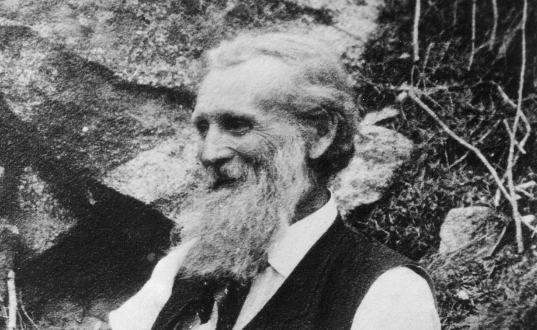
Doğa yazını ve çevre düşüncesi denildiğinde akla gelen öncü isimlerden John Muir, Yosemite Valley’ni yalnızca bir manzara olarak değil; kültürel, manevi ve toplumsal bir bütünlük olarak okur. Yosemite National Park’ta karşılaştığı kayalıklar, şelaleler ve dev sekoyalar, Muir’in metinlerinde Sierra Katedrali ve Sekoya Abidesi gibi simgesel adlara dönüşür.
İskoçya’dan ABD’ye uzanan yaşam serüveninde botanik, jeoloji ve doğa gözlemlerini bir araya getiren Muir, doğayı kutsal bir metin gibi okumayı önerir. Yosemite’de geçirdiği yıllar, onun “muhafaza (preservation)” düşüncesini geliştirmesine zemin hazırlar: Doğa, insanın hükmettiği bir alan değil; insanın parçası olduğu canlı ve bütüncül bir varlıktır. Bu yaklaşım, ABD’de Milli Parklar Sistemi’nin kurulmasına ilham verir ve Sierra Club gibi kurumlarla kurumsal bir yapıya kavuşur.
Muir’e göre korunmuş doğal alanlar yalnızca ekosistemleri değil, insanın ruh sağlığını da iyileştirir. Endüstrileşme, hız ve lüks karşısında doğa; denge, sadelik ve iyileşme imkânı sunar. Bugün Yosemite, Muir’in kaleminden yükselen bu düşüncenin yaşayan ve süreklilik kazanan bir tanığıdır.
Not* Bu yazının uzun haline aşağıdaki bağlantıdan ulaşabilirsiniz: https://www.literaedebiyat.com/post/john-muir
***
The Jubilant Choruses of Nature: John Muir and the Literary Legacy of Yosemite
When nature writing and environmental thought are mentioned, one of the pioneering figures that comes to mind is John Muir. Muir reads Yosemite Valley not merely as a landscape, but as a cultural, spiritual, and social whole. The cliffs, waterfalls, and giant sequoias he encountered in Yosemite National Park are transformed in his writings into symbolic names such as the Cathedral of the Sierra and the Sequoia Monument, reflecting a deeply poetic and reverential view of nature.
Throughout his life journey from Scotland to the United States, Muir brought together botany, geology, and close observation of the natural world, proposing that nature should be read like a sacred text. His years in Yosemite formed the foundation of his preservation philosophy, which asserts that nature is not a domain to be dominated by humans, but a living system of which humans are an integral part. This vision played a decisive role in the establishment of the United States National Parks System and became institutionalized through organizations such as the Sierra Club.
According to Muir, protected natural areas preserve not only ecosystems but also human mental and spiritual well-being. In the face of industrialization, speed, and luxury-driven modern life, nature offers balance, simplicity, and renewal. Today, Yosemite stands as a living testament to the ideas that rose from Muir’s pen—ideas that continue to shape environmental awareness and conservation ethics worldwide.


 Edebiyatla Düşün
Yorum bırakın