Gertrude Bell’in Önerdiği Yeni Ortadoğu Sınırları
(English version is below)
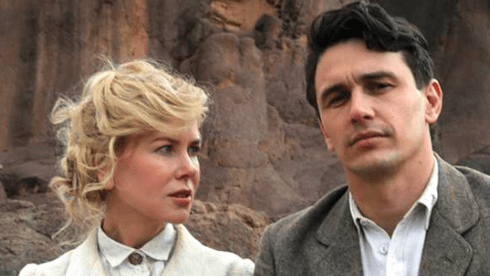
Gertrude Bell Kimdir? – Queen of the Desert filmi, 19. yüzyıl sonu ve 20. yüzyıl başında Ortadoğu’nun siyasi şekillenmesinde etkili olan Gertrude Bell’in hayatını anlatır. Film, genellikle “Arabistanlı Lawrence” üzerinden bilinen sürecin arka planında, kabile yapıları ve güç dengeleri konusunda derin bilgiye sahip bir kadının belirleyici rolünü görünür kılar.
Birleşik Krallık Başbakanı Winston Churchill’in, “Bedevi kabilelerini en iyi kim tanıyor?” sorusuna verilen cevap nettir: Gertrude Bell. Bu vurgu, Bell’in yalnızca bir gezgin değil; aynı zamanda Ortadoğu’nun sosyo-politik dokusunu çözümlemiş bir stratejik zihin olduğunu gösterir.
Oxford’dan Çöle: Entelektüel Bir Başlangıç – Gertrude Bell (1868–1926), Oxford Üniversitesi tarih bölümünü en yüksek dereceyle bitiren ilk kadınlardan biridir. Aristokrat bir aileden gelmesine rağmen Britanya’daki sınırlı sosyal yaşamı reddeder ve Bağdat’a gider.
Burada Henry Calogan ile tanışır; İran şiiri (Ömer Hayyam), Babil yazıtları ve Farsça üzerinden gelişen entelektüel yakınlaşma, aşk ve trajediyle sonuçlanır. Calogan’ın ölümü Bell’in hayatında kırılma yaratır ve onu çöl yolculuğuna yöneltir. Bu kırılma noktası, filmde şu cümleyle sembolleşir: “Hayatımda ilk defa kim olduğumu biliyordum. Kalbim artık çölden başka hiç kimseye bağlı değil.”
Çöl Yolculuğu: Keşif, Kimlik ve Bilgi – Bell’in Amman’dan başlayan yolculuğu; Mucip Vadisi, Petra, Şam, Dürzi Dağları ve Nefud Çölü üzerinden Kahire’ye uzanır. Bu seyahat yalnızca coğrafi değil, epistemolojik bir keşiftir.
Mucip Vadisi’nde söylediği sözler, çölü içsel dönüşüm alanı olarak konumlandırır: “Çölün derinliklerine gittikçe her şey bir rüya gibi geliyor… Bu gizemli labirentin derinliklerine girdikçe, kendimi daha çok tanımaya başlıyorum.”
Bell, kabile soylarını, ittifakları ve rekabetleri sistematik biçimde gözlemler. İbn Reşit’in gerileyişini, İbn Suud’un yükselişini analiz eder. Arap halklarının özgürlük talebini fark eder ve Britanya’nın sömürge siyasetinin sürdürülemez olduğunu öngörür.
Ortadoğu Sınırlarının Çizilmesinde Gertrude Bell’in Rolü
I. Dünya Savaşı sonrasında İngiliz yönetimi, Ortadoğu’da kurulacak yeni krallıkların sınırlarını belirlerken Bell’in saha bilgisinden yararlanır. Bell’in önerileri doğrultusunda: Faysal Irak’ta, Abdullah Ürdün’de, İbn Suud Arabistan’da desteklenir.
Bu süreçte Bell, fiilen Ortadoğu haritasının şekillenmesinde etkili olur. Bölge halkı onu “kendilerini en iyi anlayan yabancı” olarak tanımlar.
Çölün Metaforu: Ruh ve Siyaset – Film, çölün yalnızlığı ile Gertrude Bell’in iç dünyası arasında bilinçli bir paralellik kurar. Çöl hem arınma hem de bilgi alanıdır.
Berberi atasözü bu sembolizmi özetler: “Vaha vücudu; çöl ise ruhu besler.” Gertrude Bell yalnızca ruhunu değil, Ortadoğu’nun politik geleceğini de besleyen bir bilgi birikimi üretmiştir.
** Bu yazınun uzun haline, Orman ve Av Dergisi’nin Temmuz-Ağustos 2019 sayısının 14-16. sayfalarından ulaşılabilir: https://www.ormancilardernegi.org/JournalFiles/c1b42411-e6c2-4f14-8840-0c9c7ac0ddb0.pdf
**
Queen of the Desert: Gertrude Bell and the Woman Who Helped Shape the Middle East
Who Was Gertrude Bell? – Queen of the Desert, directed by Werner Herzog, portrays the life of Gertrude Bell (1868–1926), a British writer, archaeologist, and political officer who played a decisive role in shaping the modern Middle East after World War I.
While the post-war Middle East is often associated with T. E. Lawrence (Lawrence of Arabia), the film highlights Bell as a central strategic figure. Winston Churchill reportedly asked: “Who knows the Bedouin tribes best?” The answer was clear: Gertrude Bell.
From Oxford to Baghdad: An Intellectual Journey – Gertrude Bell graduated from Oxford University with highest honors in history—an extraordinary achievement for a woman in the late 19th century. Rejecting the rigid social constraints of British aristocratic life, she traveled to Baghdad, where she immersed herself in Persian literature, Arabic culture, and regional politics.
Her relationship with Henry Cadogan marked a turning point. His tragic death pushed Bell toward a deeper commitment to exploration and scholarship. In the film, her awakening is symbolized in the line: “For the first time in my life, I knew who I was. My heart belonged to the desert.”
Desert Exploration and Political Insight – Bell’s expeditions took her across Amman, the Mujib Valley, Petra, Damascus, the Druze Mountains, and the Nafud Desert. These journeys were not merely geographical; they were analytical and strategic.
She carefully documented tribal genealogies, alliances, and rivalries. She observed the decline of Ibn Rashid and the rise of Ibn Saud. She understood that Arab populations were awakening politically and demanding autonomy.
Her desert travels transformed her into one of the most knowledgeable Western experts on Arabian tribal structures and regional power dynamics.
Drawing Borders: Gertrude Bell’s Role After World War I – Following World War I, British policymakers relied heavily on Bell’s field knowledge when determining the political future of the Middle East.
Her recommendations supported: Faisal I of Iraq as King of Iraq, Abdullah I of Jordan as ruler of Transjordan, Ibn Saud as leader of what would become Saudi Arabia.
Although she operated largely behind the scenes, Gertrude Bell significantly influenced the drawing of Middle Eastern borders and the formation of modern Iraq and Jordan.
The Desert as Metaphor: Identity and Power – The film frames the desert as both a physical and spiritual landscape. For Bell, the desert was not emptiness but clarity—an environment that shaped her intellectual and emotional transformation.
A Berber proverb captures this symbolism: “The oasis feeds the body; the desert feeds the soul.” Gertrude Bell did more than nourish her spirit in the desert; she developed the geopolitical knowledge that would help define the modern Middle East.



Bir Cevap Yazın