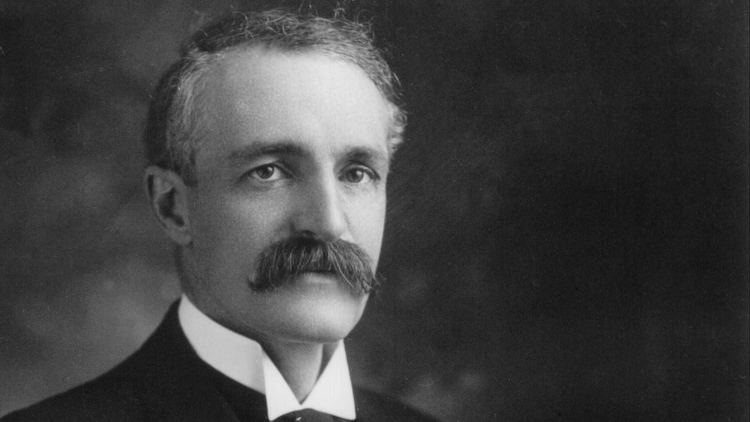
Theodore Roosevelt ve Gifford Pinchot Arkadaşlığı
(English version is below)
Bu özet yazı, Amerikan ormancılığının kurucu figürlerinden Gifford Pinchot’un düşünsel yolculuğunu, babası James Pinchot ile kurduğu etik ve mesleki bağ üzerinden anlatır. Ormanların sınırsız bir hammadde olarak görüldüğü bir dönemde, baba–oğul arasındaki basit ama yönlendirici bir soru, ABD’de korumacılık (conservation) anlayışının temellerini atar.
Gifford Pinchot’un Avrupa’daki ormancılık eğitimi, Biltmore mülkündeki uygulamaları ve ardından federal düzeyde üstlendiği görevler; ormanların akılcı yönetimle sürdürülebilir biçimde kullanılabileceğini gösterir. Theodore Roosevelt döneminde kurumsallaşan bu yaklaşım, doğa korumayı romantik bir idealden çıkarıp kamusal bir politika alanına dönüştürür. Metin, kişisel bir baba–oğul hikâyesinden hareketle, modern doğa koruma düşüncesinin nasıl filizlendiğini edebî bir dille ortaya koyar.
** Yukarıdaki yazının uzun haline, aşağıdaki bağlantıdan ulaşabilirsiniz (sayfa: 30-35) : https://www.ormancilardernegi.org/JournalFiles/9d2679b6-7b30-4c31-8054-bb10408f6e5d.pdf.
**
How Conservation Began: Gifford Pinchot and the Transformation of American Forestry
This essay traces the intellectual journey of Gifford Pinchot, one of the founding figures of American forestry, through the ethical and professional bond he shared with his father, James Pinchot. At a time when forests were widely perceived as inexhaustible raw material, a simple yet guiding question exchanged between father and son laid the foundations of the conservation movement in the United States.
Pinchot’s forestry education in Europe, his practical work at the Biltmore Estate, and the responsibilities he later assumed at the federal level demonstrated that forests could be managed rationally and used in a sustainable manner. Institutionalized during the Theodore Roosevelt era, this approach transformed nature conservation from a romantic ideal into a matter of public policy. Moving from an intimate father–son narrative, the text reveals—through a literary lens—how modern environmental conservation thinking first took root.
 Edebiyatla Düşün
Yorum bırakın